min read
The Power That Lets Us Stay: Industrializing nuclear battery production for the frontier
.png)
By Tyler Bernstein, Co-Founder and CEO, Zeno Power
Humanity is preparing to operate beyond the edge of the grid – from the seabed to the surface of the Moon. We've reached these places before, but never to stay. This time, staying is the goal.
The force behind it is renewed great-power competition. NASA is building a permanent base on the Moon and sending dozens of spacecraft to the lunar surface in the coming years. The Navy is investing subsea, deploying autonomous platforms, sensors, and communication nodes. A new frontier era is opening – and whoever can power the frontier will hold it.
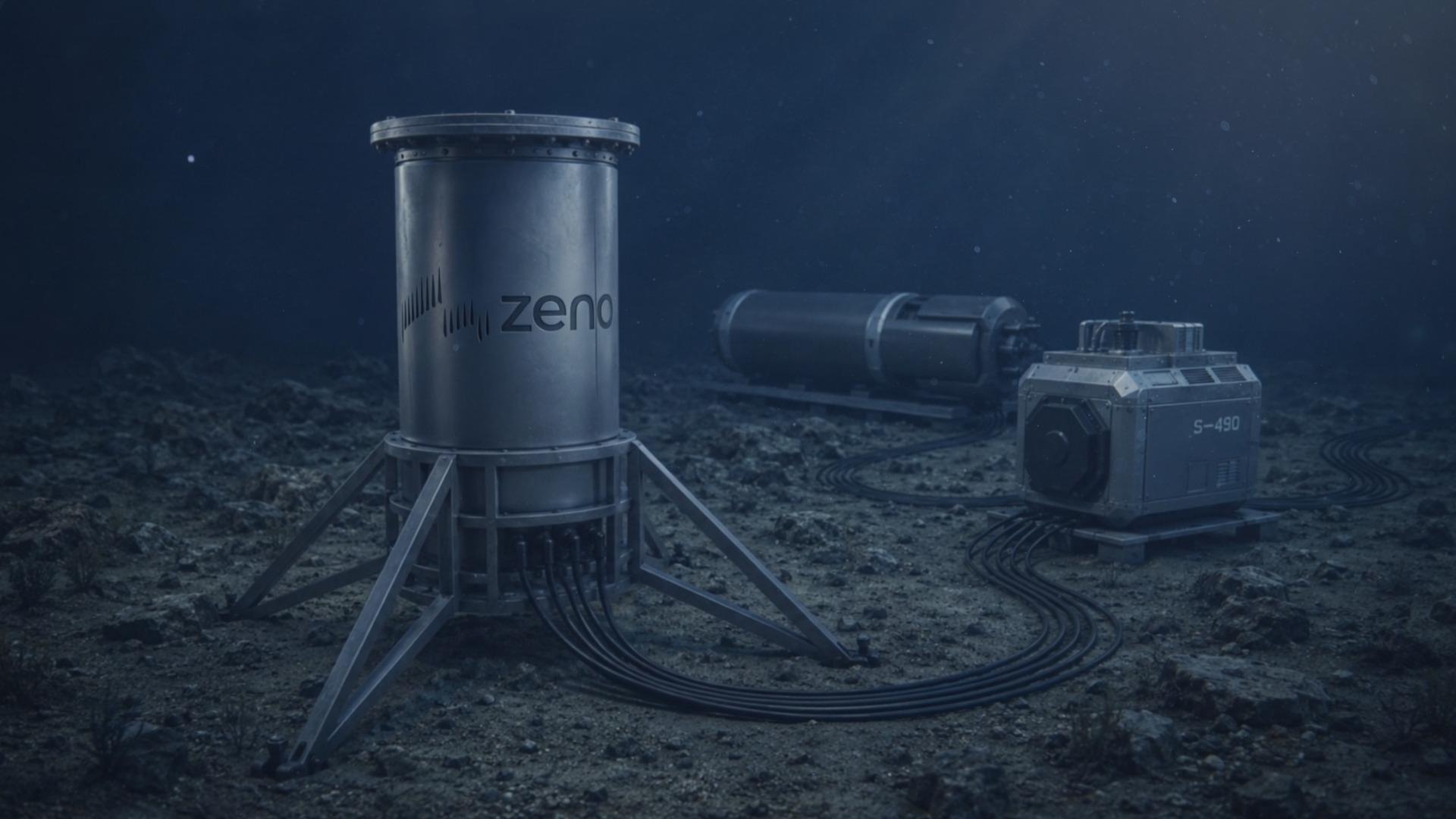
But reliable energy in these regions is a hard problem. On the lunar surface, two weeks of daylight give way to two weeks of darkness – the lunar night – when temperatures fall below −280°F and solar panels alone cannot carry systems through the night. That's why recent solar-powered U.S. lunar landers have only operated for days. On the seabed, there is no sunlight at all, and systems rely on short-lived batteries or cables tethering them to a ship or to shore.
These conditions demand a power source that delivers years of persistence. And because the frontier won't be held by a few large platforms – but by fleets and constellations of autonomous systems numbering in the thousands – it requires power produced like infrastructure, not built mission by mission.
That's the problem we've spent years solving at Zeno.
Nuclear Batteries Enable the Frontier
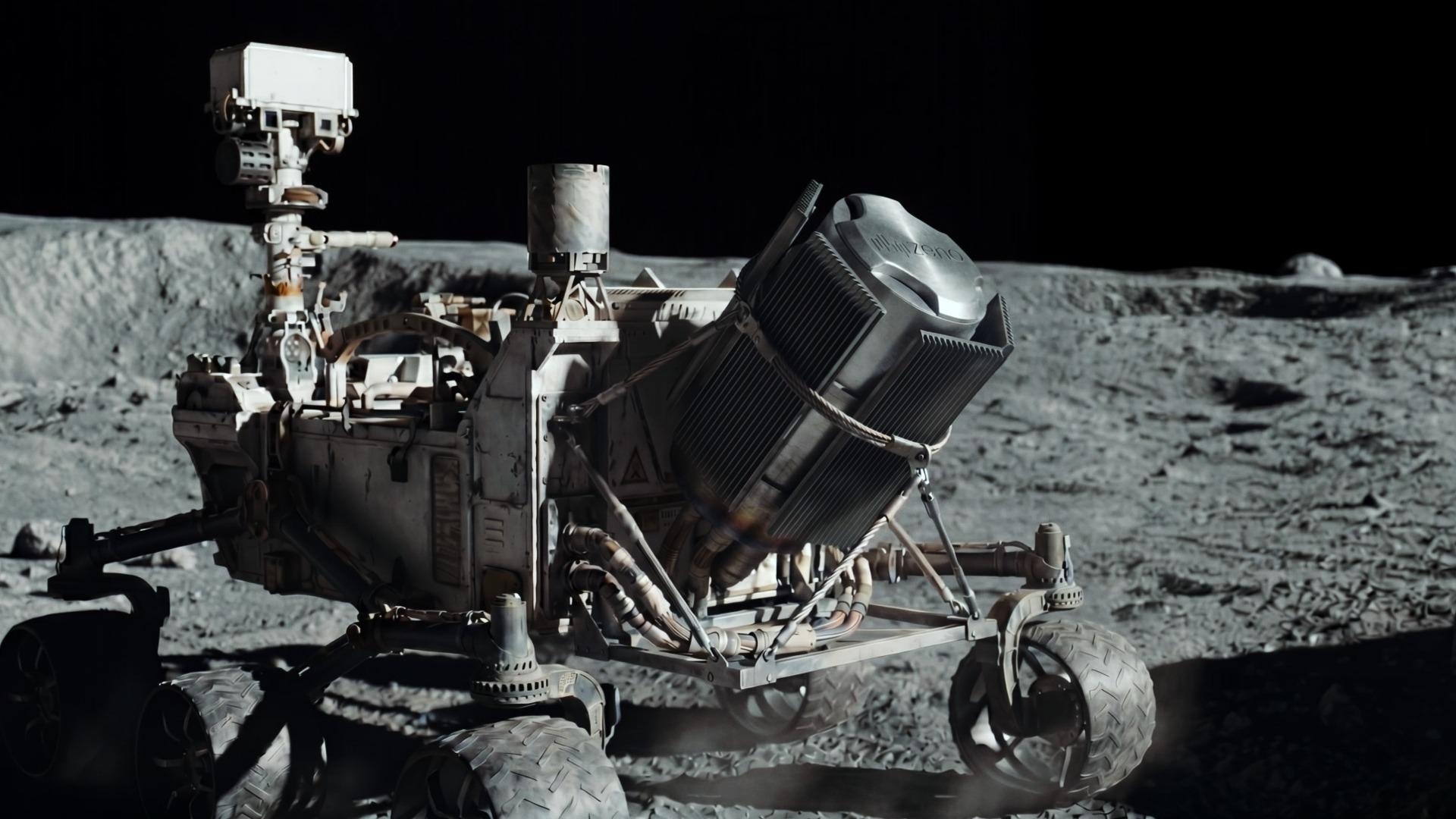
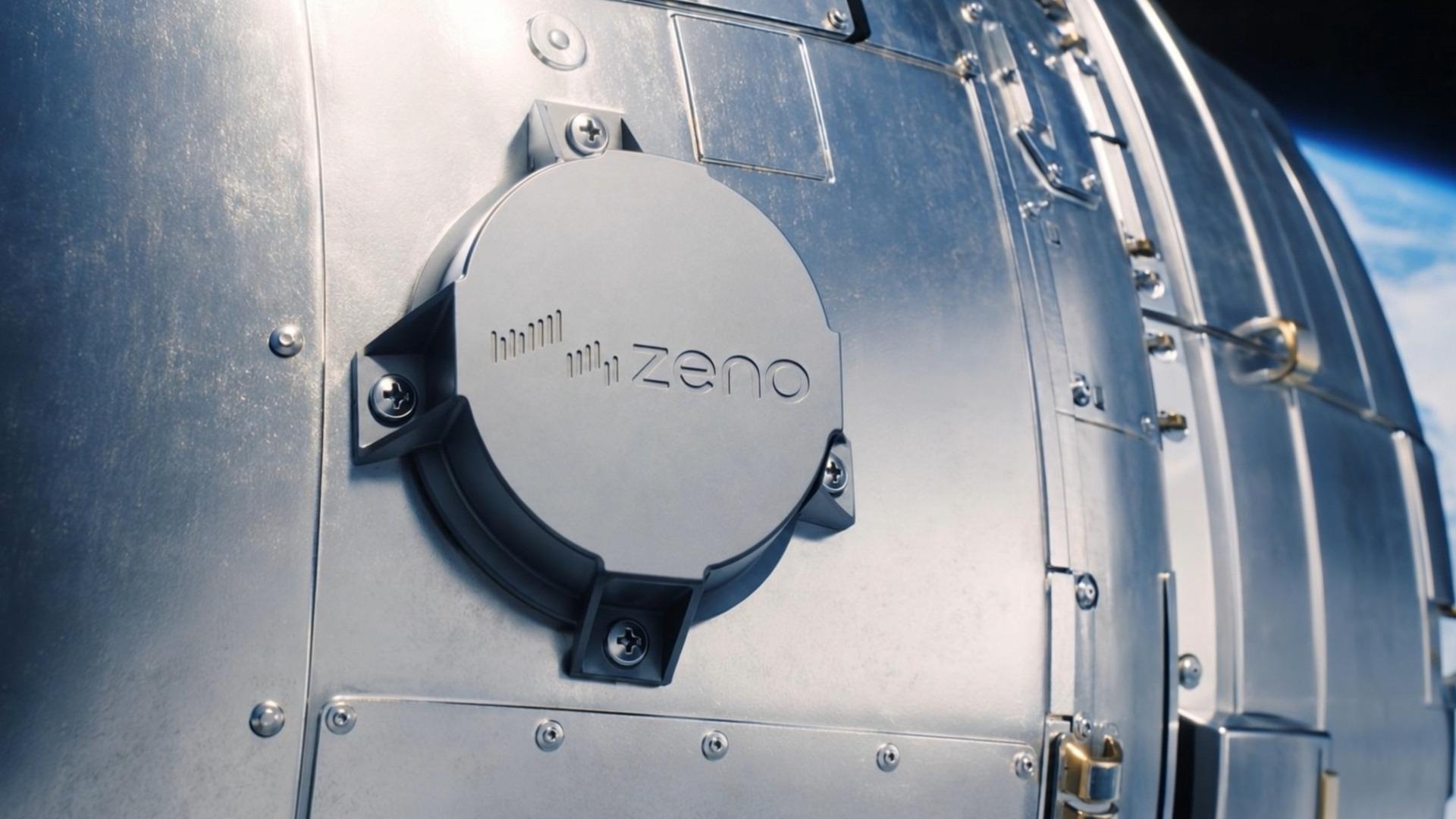
Like a lot of people who end up in this field, I grew up captivated by NASA's marquee missions – the rovers crossing Mars, New Horizons reaching Pluto, Voyager pinging home from interstellar space. What I didn't realize then was that all of them share a commonality: they run on nuclear batteries, also known as radioisotope power systems.
Nuclear batteries are compact systems – the size of a microwave oven – that convert heat from the natural decay of radioisotopes into 10+ years of maintenance-free electricity. They're far smaller than reactors – but not every mission needs a megawatt. Reactors are built for the ones that do; nuclear batteries deliver steady, modest power exactly where it's needed.
Their uses extend beyond space, as well. The Navy and Air Force built 100+ in the 20th century to power Arctic monitoring stations and seabed surveillance through the Cold War. They are a proven way to enable persistent, distributed operations in areas where energy is a constraint.
Today, however, nuclear batteries are bespoke technologies – engineered one mission at a time. That model has worked in recent decades as we have infrequently visited the frontiers. It will not work as we race back to them at scale, and to stay.
Our nuclear batteries use fuels that are available and abundant – strontium-90 for systems on Earth, americium-241 for space – and they're purpose-built for production. What sets us apart is our ability to scale, and scaling in the nuclear industry takes one thing above all: the right radiological facility.
Vallecitos: Where the Industry Began, and Begins Again
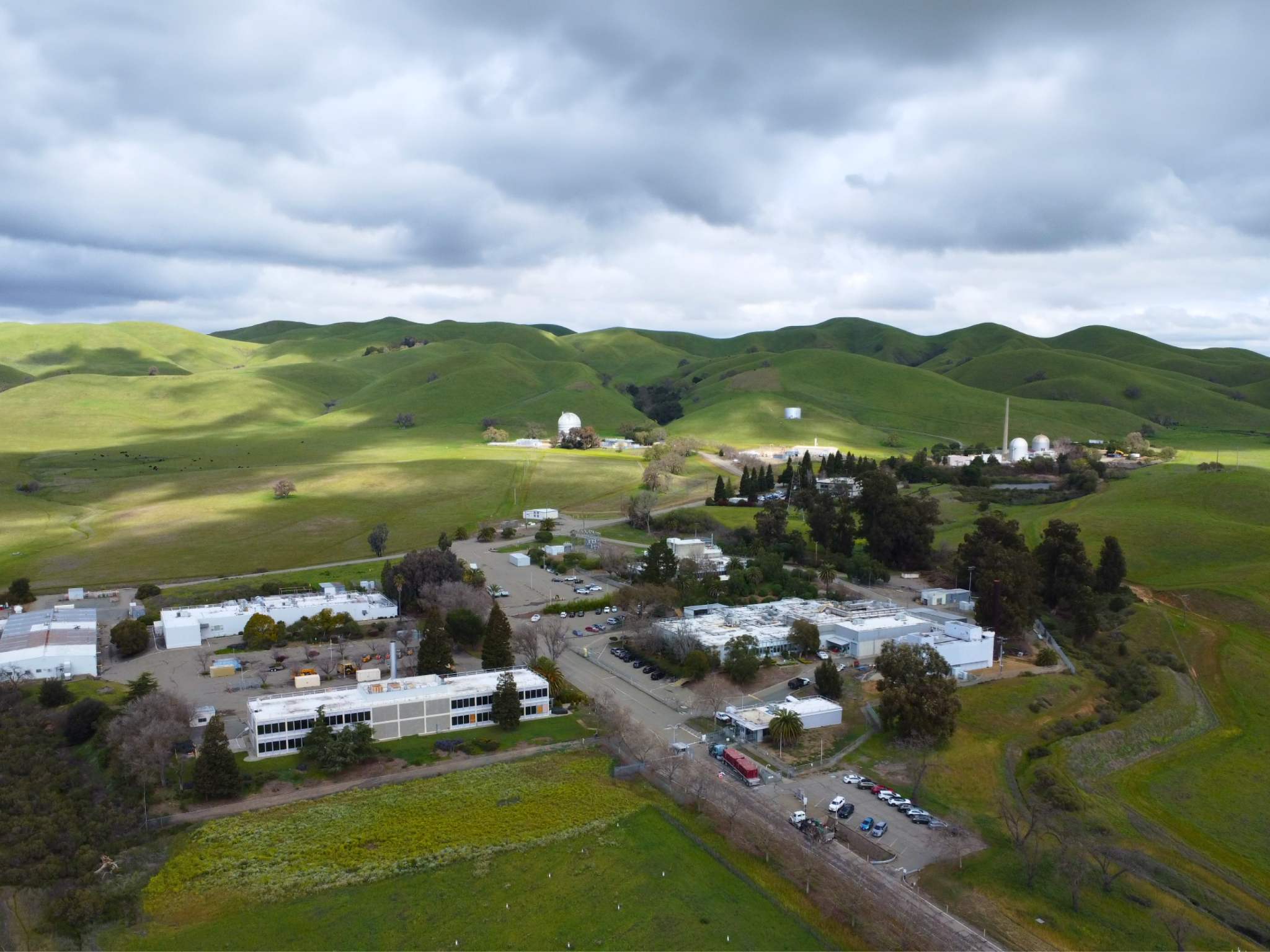
Last week, we announced that Zeno is establishing nuclear battery production at the Vallecitos Nuclear Center in Sunol, California – one of the most storied sites in American nuclear history.
Vallecitos is where the commercial nuclear industry started. Established in 1957, it was home to the first privately owned nuclear power plant in the United States, held Power Reactor License No. 1 from the Atomic Energy Commission, and housed one of the largest commercial hot cell complexes in the country.
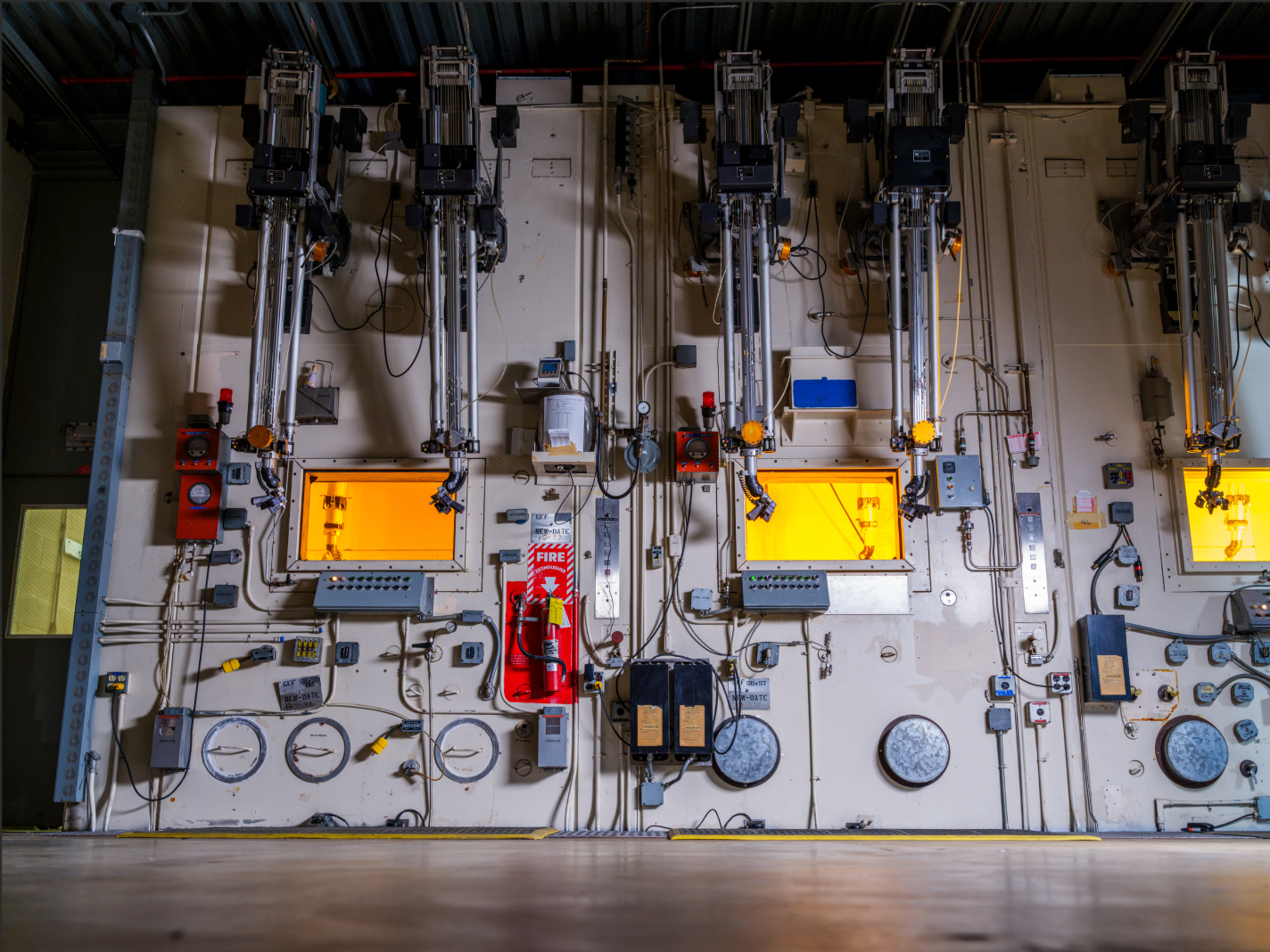
The last note is important – because hot cells are where nuclear batteries get built. They are heavily shielded chambers, walled in high-density concrete and leaded glass, where radioisotopes are handled remotely by mechanical arms and processed into nuclear batteries. They're extraordinarily hard to find in the United States – and the ones that exist are built for small-scale radioisotope handling. Vallecitos was built to operate at scale.
We're partnering with NorthStar, the operator decommissioning the broader 1,600-acre site, to restore the hot cells and convert them into the factory for our nuclear batteries. And we're moving quickly: we have already taken possession of the first bank of hot cells and will scale to the full facility over the coming year.
This brings us into full production *years* faster than building our own facility from the ground up – and exactly when the market needs it.
What’s Next Is Production
We’re ready to meet this moment.
We have demonstrated our nuclear heat source and our electrically heated power systems. We are executing on key contracts with NASA, the Pentagon, and industry leaders. We have built a team of more than 100 people – including world-class engineers, nuclear supply chain experts, and regulatory leaders – and we're hiring.
What's next is production, and production is the whole contest. Because whoever manufactures this technology at scale, and fast, earns the right to set the pace past the edge of the grid. And that's going to be Zeno.
We'll start this year by operationalizing the hot cells at Vallecitos and beginning to build nuclear batteries. In doing so, we'll add more than fifty jobs across California's Tri-Valley and preserve nuclear manufacturing expertise the country was about to lose.
This positions us to deliver our first systems to customers in 2027 and reach volume production in 2028 – building hundreds of nuclear batteries per year for missions from the seabed to the surface of the Moon and beyond.
The Future We’re Building
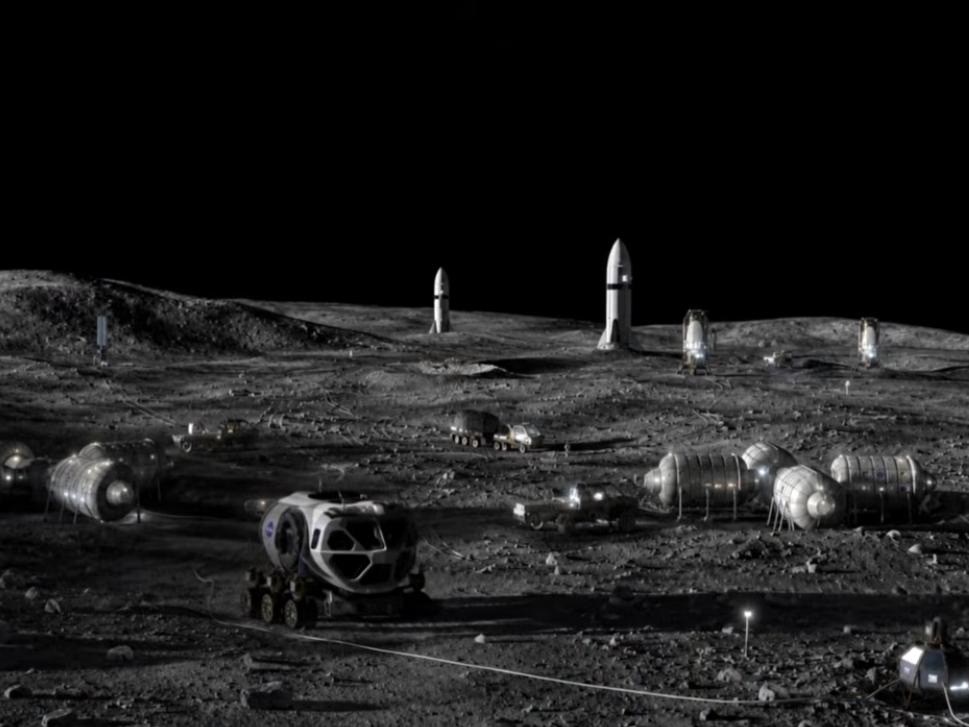
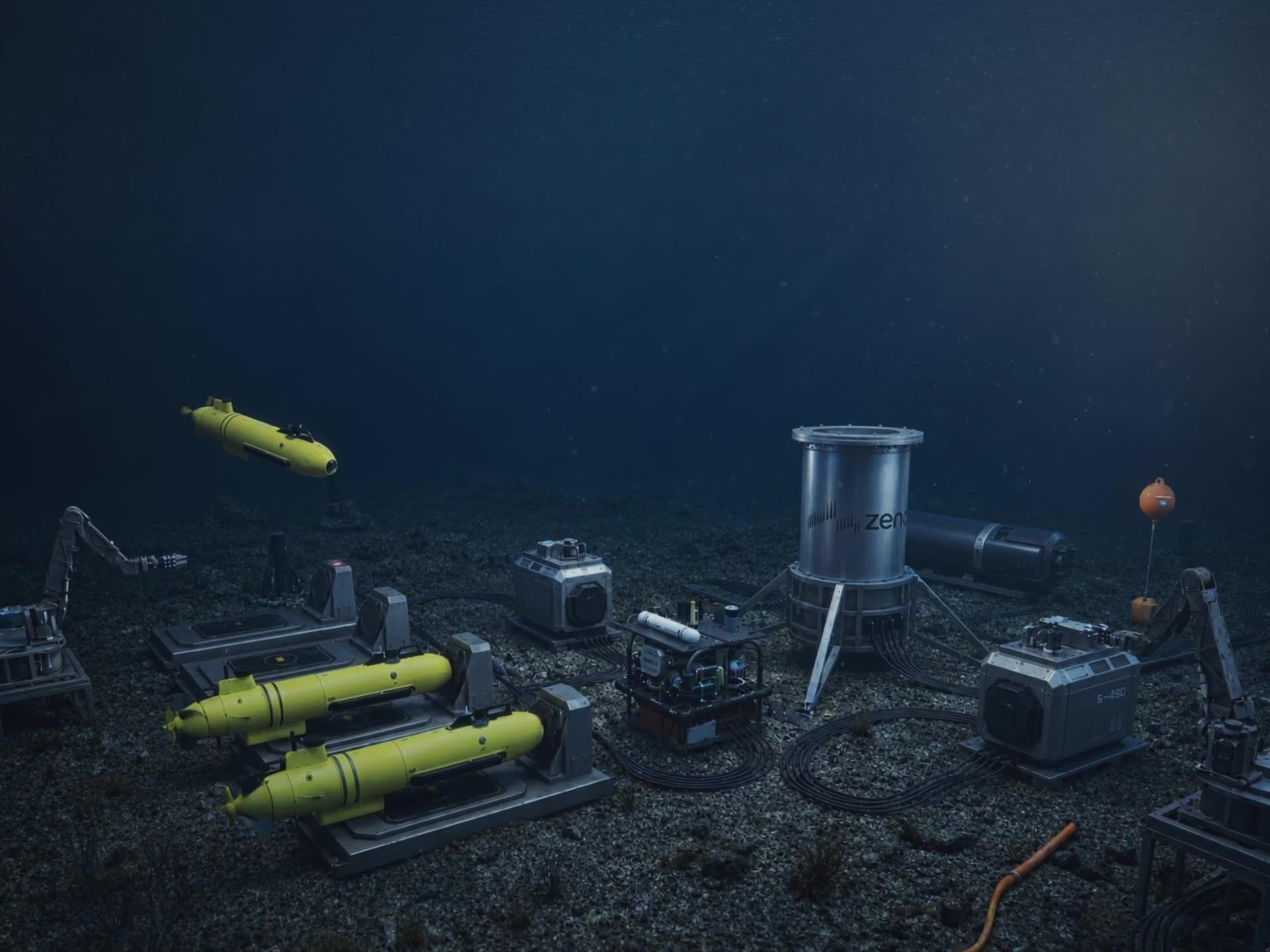
Picture the frontier a decade from now. America and our allies maintain a permanent presence at the Moon’s south pole, with spacecraft, habitats, and robotic systems surviving the lunar night and supporting the path to Mars. Subsea, thousands of autonomous vehicles, sensors, and communication nodes secure the domain, maintaining peace in otherwise contested environments. Across both frontiers, entirely new industries emerge because power is no longer the limiting constraint.
Every one of those systems needs power for years without a cable or a resupply, and that adds up to a category of distributed power at a scale the world has never built.
Until now.